
Bladder issues are one of those things people often try to “manage quietly,” but they can end up affecting way more than just bathroom habits. When you’re dealing with constant urgency, pelvic discomfort, pressure, burning urination, leaking, or overnight urination. Sleep gets disrupted. Work becomes harder to focus on. Travel, exercise, intimacy, even just relaxing out in public, can start to feel stressful.
And what makes it even more frustrating is that a lot of people are told everything looks “normal,” or they’re only offered short-term symptom relief without really digging into why it’s happening in the first place.
At Three Treasures Acupuncture, the approach is a bit different. Instead of isolating the bladder as the only issue, we look at the full system around it, including the nervous system, pelvic floor, hormones, stress patterns, inflammation, and even the emotional load that comes with chronic symptoms. Because in real life, all of those things are connected.
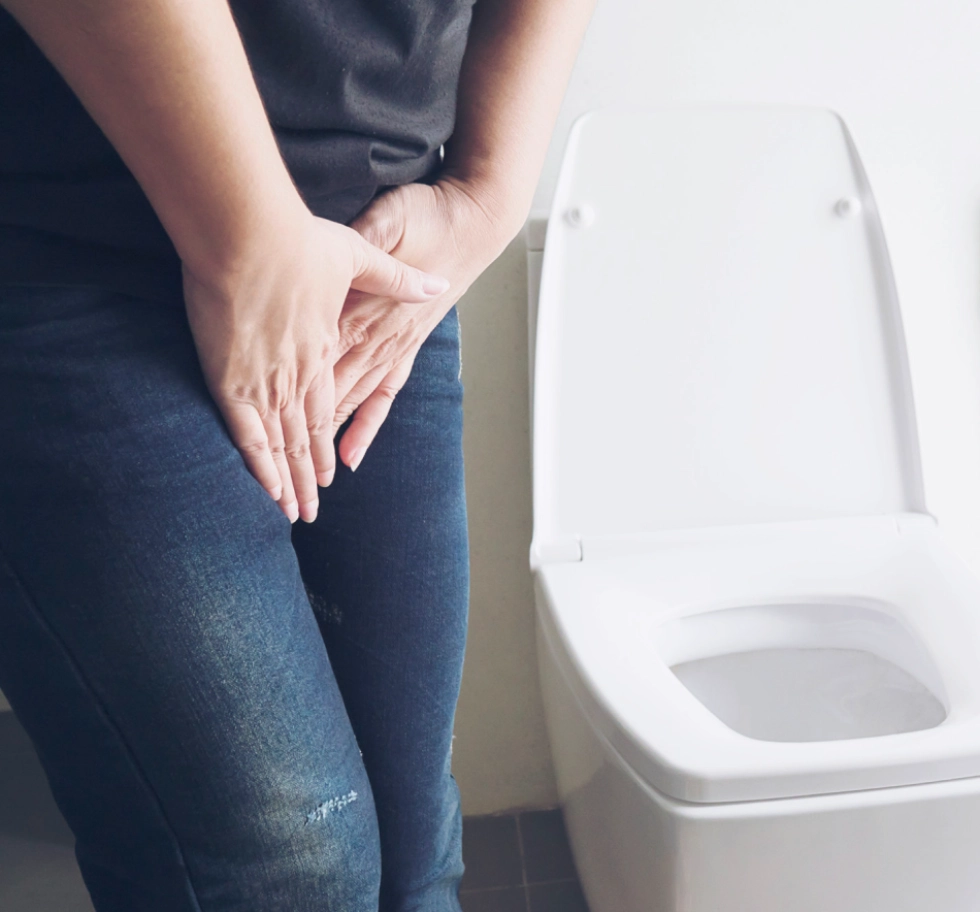
This kind of integrative care may be supportive for people dealing with things like:
- Overactive Bladder (OAB)
- Urinary Incontinence
- Bladder Pain
- Interstitial Cystitis (Bladder Pain Syndrome BPS)
- Pelvic floor dysfunction-related urinary symptoms
- Menopause-related urinary changes
- Endometriosis-related urinary issue
Whether symptoms are new or something you’ve been dealing with for years, the goal is to support better bladder function, reduce strain, and help improve day-to-day quality of life.
Understanding Disorders of the Bladder
Bladder disorders usually don’t show up as just one clean, simple symptom. It’s often a mix of urgency, frequency, discomfort, or leakage that gradually starts interfering with normal routines.
You might notice things like needing to plan your day around bathrooms, waking up at night repeatedly, or feeling like your bladder is always “on edge.” For some people, it comes and goes. For others, it becomes more constant over time.
These symptoms can also overlap with other conditions like hormonal shifts, menopause, pelvic floor dysfunction, or chronic pelvic pain. Stress and tension tend to make everything feel worse, too, which is something many people recognize from personal experience.
Because of this overlap, a one-size-fits-all explanation usually doesn’t work. A more detailed, personalized look at what’s going on tends to be necessary.
Common Symptoms of Bladder Disorders
Symptoms may include:
- Frequent urination
- Sudden urinary urgency
- Bladder pressure or pelvic pain
- Burning or pain during urination
- Urinary leakage
- Difficulty emptying the bladder
- Nighttime urination
- Pelvic heaviness or tension
- Discomfort during intimacy
- Anxiety around flare-ups
Symptoms may worsen with stress, hormonal changes, poor sleep, travel, or muscle tension.
Common Types of Bladder Disorders
Overactive Bladder (OAB)
The symptoms of overactive bladder (OAB) include frequent, strong, and uncontrollable desires to urinate.
Typical symptoms and indicators include:
- Frequent urination
- Unexpected urge to urinate
- Having difficulty delaying urination
- Nighttime urination, occasionally, leaks
OAB may be associated with pelvic floor stiffness, stress, hormonal changes, and chronic pelvic pain.
Urinary Incontinence
Urinary incontinence is just a medical way of saying there’s some involuntary leakage of urine. It’s actually pretty common, especially after childbirth or during menopause, but that doesn’t make it something you just have to put up with or “get used to.”
It can show up in a few different ways:
Stress Incontinence
Leakage that occurs during physical movement or pressure, such as:
- Coughing
- Sneezing
- Laughing
- Exercise
- Lifting
Urge Incontinence
Leakage associated with a sudden and intense urge to urinate.
Mixed Incontinence
A combination of both stress and urge symptoms.
Beyond the physical symptoms, this can affect confidence, movement, social life, and emotional well-being. Pelvic floor function, hormones, tension patterns, and nervous system modulation are all important factors.
A more holistic approach is not just about “controlling the bladder.” It is more about looking at what is driving the symptoms in the first place and working on the bigger picture, like improving stability, easing overall tension, and supporting better pelvic balance over time.
Bladder Pain & Interstitial Cystitis
Bladder pain and interstitial cystitis (IC) can be some of the most frustrating bladder conditions because symptoms are often persistent and unpredictable.
Symptoms may include:
- Bladder pressure
- Pelvic pain
- Burning sensations
- Frequent urination
- Urgency
- Pain with bladder filling
- Discomfort during intimacy
- Nighttime urination is disrupting sleep
Flare-ups often seem tied to stress, certain foods, hormonal changes, or increased pelvic tension. But there isn’t always a clear trigger, which can make it even more difficult to manage.
Because IC is complex, care often needs to look at multiple systems at once, including inflammation, pelvic floor function, circulation, and nervous system regulation. Treatment is always tailored rather than following a fixed protocol.
Learn MorePossible Causes and Contributing Factors
Bladder disorders often result from multiple overlapping factors.
Common contributors include:
- Pelvic floor dysfunction
- Hormonal changes
- Menopause-related changes
- Endometriosis
- Chronic inflammation
- Nervous system dysregulation
- Stress and anxiety
- Pregnancy and postpartum changes
- Musculoskeletal tension
- Chronic pelvic pain
- Prior infections or irritation
- Trauma-related pelvic tension
Understanding these patterns helps guide a personalized treatment approach.
Percutaneous Tibial Nerve Stimulation (PTNS) for Bladder Health
Acupuncture has long been utilized in traditional Chinese medicine to promote urinary and pelvic health. Modern integrative techniques may also consider how acupuncture affects circulation, muscle tension, stress response patterns, and nervous system modulation.
Percutaneous Tibial Nerve Stimulation (PTNS) is a treatment that has grown increasingly relevant in this field.
PTNS is a neuromodulation procedure that involves stimulating the tibial nerve near the ankle. That nerve connects back to the sacral nerve plexus, which plays a key role in bladder function and signaling.
What’s interesting is that PTNS is not just something used in acupuncture settings. It’s also used in urology clinics and mainstream medical care for bladder dysfunction.
In standard urology practice, PTNS typically involves a single fine needle placement with mild electrical stimulation. In my practice, I use a four-needle acupuncture-based protocol instead. This allows for a broader stimulation approach rather than targeting just one point of input.
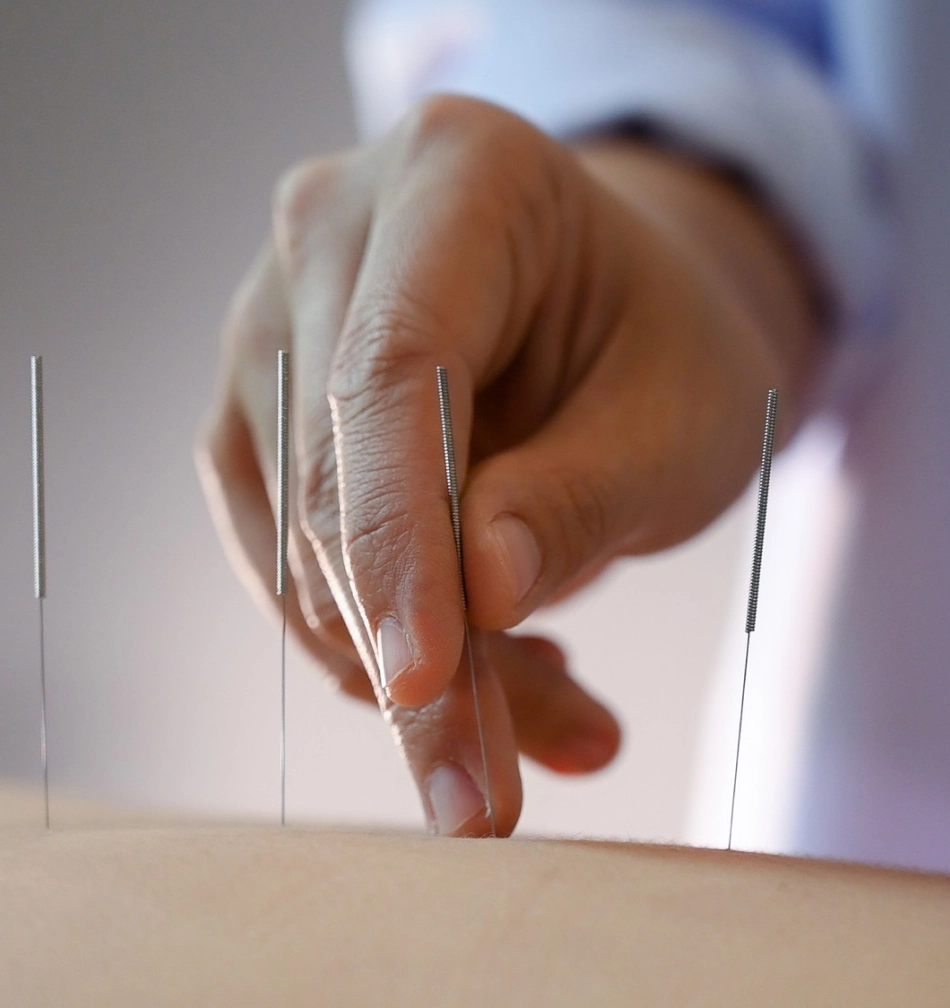
It’s also worth noting that PTNS itself is widely understood to have been influenced by traditional acupuncture concepts. In a way, modern medicine has adapted and refined ideas that have been part of Eastern medicine for centuries.
Some patients seek acupuncture to support:
- Bladder comfort
- Reduced urgency and frequency
- Pelvic relaxation
- Stress management
- Sleep quality
- Hormonal balance
- Nervous system regulation
- Chronic pelvic pain management
Treatment recommendations are individualized based on symptom patterns, health history, and overall wellness goals.


The Emotional Impact of Chronic Bladder Symptoms

Chronic bladder symptoms can be emotionally taxing, frequently resulting in feelings of loneliness, frustration, or anxiety.
Some individuals may avoid:
- Social activities
- Travel
- Exercise
- Intimacy
- Long events or meetings
- Certain foods or drinks
Others may feel dismissed or told symptoms are “normal.” Care at Three Treasures Acupuncture recognizes both the physical and emotional impact of these conditions with a compassionate, individualized approach.
Collaborative and Integrative Care
Complex bladder disorders may benefit from a collaborative care model. When appropriate, integrative treatment may work alongside other medical and supportive therapies.
Care may involve collaboration with:
- Urologists
- Gynecologists
- Pelvic floor physical therapists
- Physiatrists
- Nutritionists
- Psychotherapists
- Mind-body practitioners
- Hormonal health specialists
This multidisciplinary perspective can help support patients with chronic or overlapping pelvic conditions.

What to Expect During Treatment


Who May Benefit From Acupuncture for Bladder Disorders?
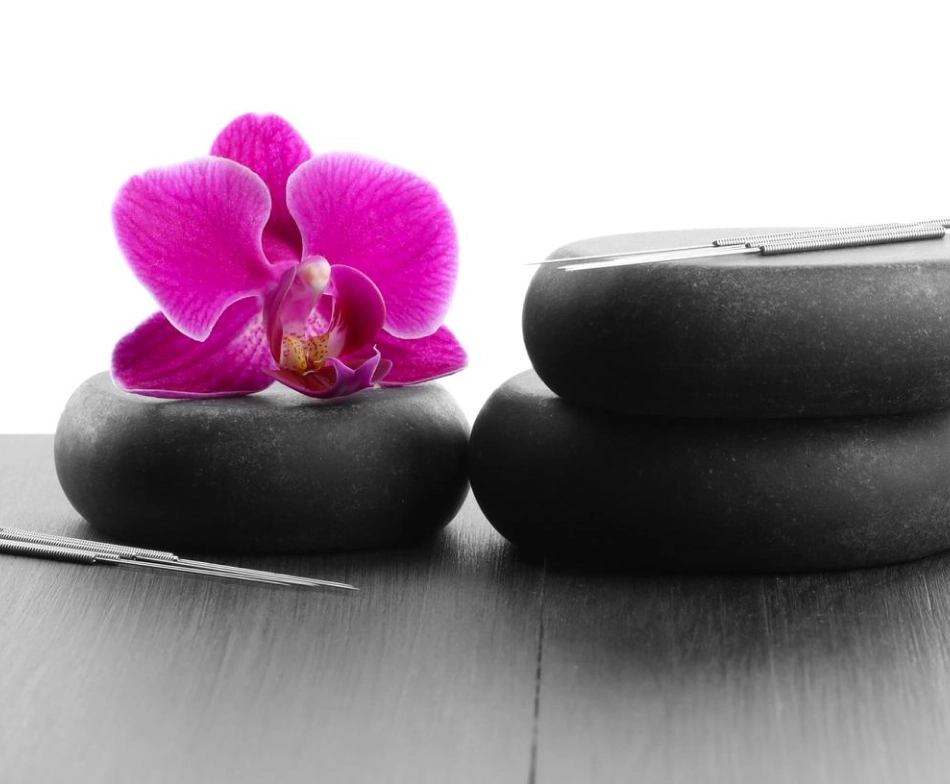
Acupuncture may benefit individuals experiencing:
- Overactive bladder symptoms
- Urinary urgency or frequency
- Urinary leakage
- Interstitial cystitis
- Bladder pain
- Pelvic floor dysfunction
- Menopause-related urinary symptoms
- Chronic pelvic pain
- Stress-related symptom flare-ups
Many patients also seek care when seeking a more integrative and individualized approach to pelvic health support.
Why Patients Seek Care at Three Treasures
Patients often seek care at Three Treasures Acupuncture because of the practice’s highly personalized and relationship-centered approach.
Key aspects of care include:
- One patient at a time scheduling
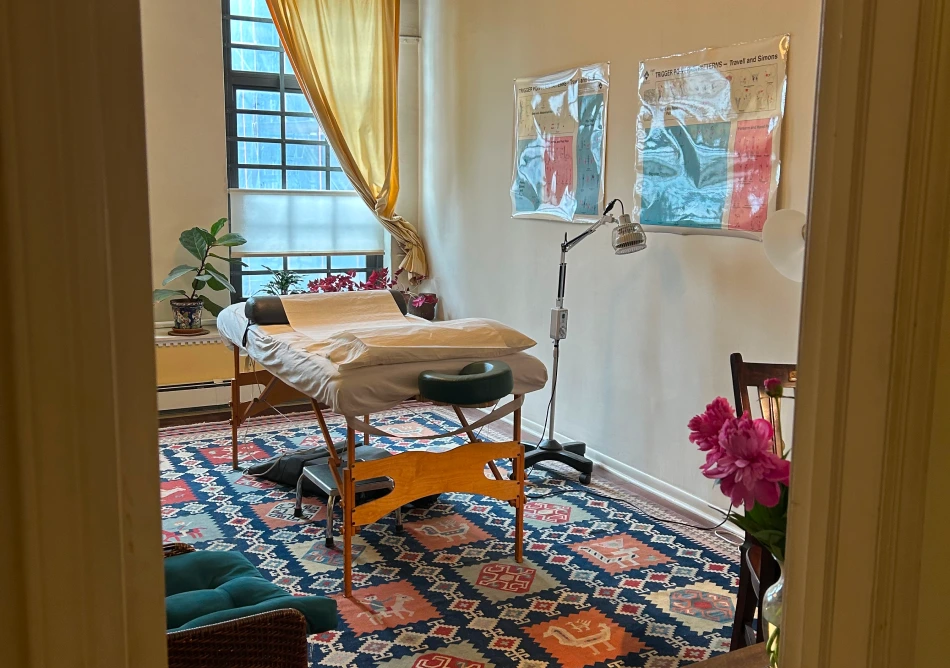
- A calm, private treatment space
- Extended appointment times
- Holistic pelvic and hormonal health support
- Integrative and evidence-informed treatment methods
- Compassionate care for complex chronic symptoms
The goal is to create a space where people feel heard and not rushed through a checklist.

Frequently Asked Questions
Acupuncture is sometimes used alongside other therapies to support things like pelvic relaxation, urgency, and frequent urination. Some people find it helpful as part of a broader plan, but results really depend on the person and what is actually driving the symptoms underneath.
Interstitial cystitis is a long-term bladder condition where there is irritation or pain, even without a clear infection showing up. Feelings like pressure, urgency, frequent bathroom trips, and sometimes burning or discomfort are pretty common with bladder issues. What tends to frustrate people most is how unpredictable it can be. One day, things feel manageable, and the next, there is a flare-up that does not seem to have a clear reason behind it. Triggers can be different for everyone, which makes it even harder to pin down.
Yes, most of the time. When the pelvic floor is not working the way it should, whether it is too weak, too tight, or just not coordinating well, it can lead to leakage and difficulty controlling the bladder.
There isn’t a universal solution. It is dependent on the length of the symptoms and the overall complexity of the situation. While some people with long-term difficulties benefit from ongoing treatment throughout time, others have fast changes and only require short-term support.
Yes, and a lot of people see this in everyday life. When stress goes up, the body naturally holds more tension, especially in the pelvic area, and the nervous system becomes more reactive. That combination can make urgency, frequency, and discomfort feel stronger or more unpredictable.
Yes, many people choose to use acupuncture alongside conventional medical treatment.
Book Your Appointment
Bladder symptoms can affect almost every part of daily life, from sleep to confidence to simple comfort. The good news is that there are multiple ways to approach it, especially when care looks at the full picture rather than just isolated symptoms.
Three Treasures Acupuncture offers individualized support for bladder and pelvic health.
NEW YORK CITY OFFICE (Monday-Thursday)
195 Chrystie Street, Suite 703 · New York, NY 10002
WEST HURLEY OFFICE (Friday-Saturday)
1310 Rt. 28 · West Hurley, NY 12491
The NYC office is conveniently located in a loft in the Nolita/LES district. The office is a short walk from many subway stations:
 to Second Avenue


 to Broadway/Lafayette
 to Bleeker or Spring Streets

 at Prince Street