
Living in New York asks a lot of your body. Long commutes, hours hunched over a laptop, heavy bags on one shoulder, and the sprint to catch a closing train all add up in your muscles and joints. If a stiff lower back or an aching neck has quietly become part of your daily routine, this page is for you. You are in a large company, since 39% of U.S. adults reported back pain in the past three months in a 2019 national survey.
Below you will learn what musculoskeletal pain is, how acupuncture eases it, which conditions respond best, and what treatment looks like when the care is one-on-one. The goal is an honest picture so you can decide whether it is worth a call.
What Is Musculoskeletal Pain?
Musculoskeletal pain is discomfort in the muscles, bones, joints, tendons, and ligaments that move and support your body. It ranges from a stiff neck or aching lower back to sharp joint pain and nerve-related aches like sciatica. The pain can arrive suddenly after an injury or build slowly over months of strain.
What makes it stubborn is that the source and the sensation are often in different places. A tight hip can show up as knee pain. A compressed nerve in the lower back can send a burning line down the leg. Treating only the spot that hurts tends to bring short relief, then the ache returns.

How Acupuncture Relieves Musculoskeletal Pain
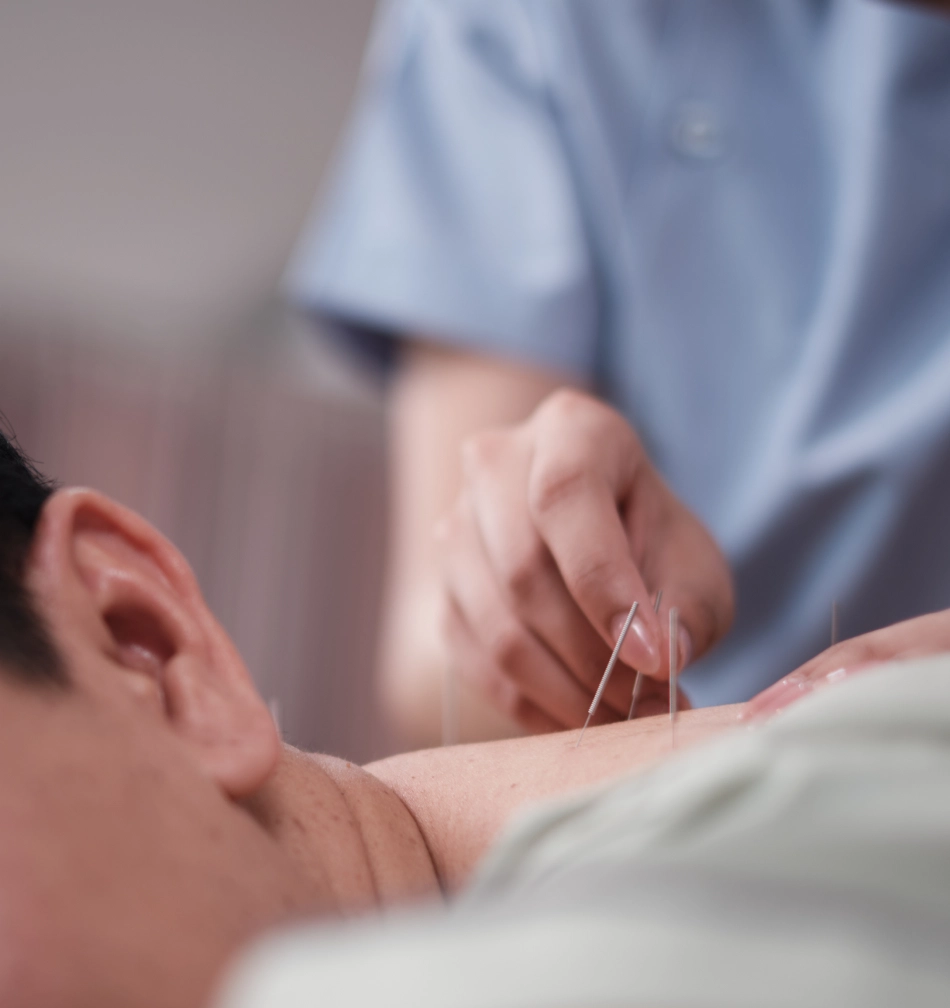
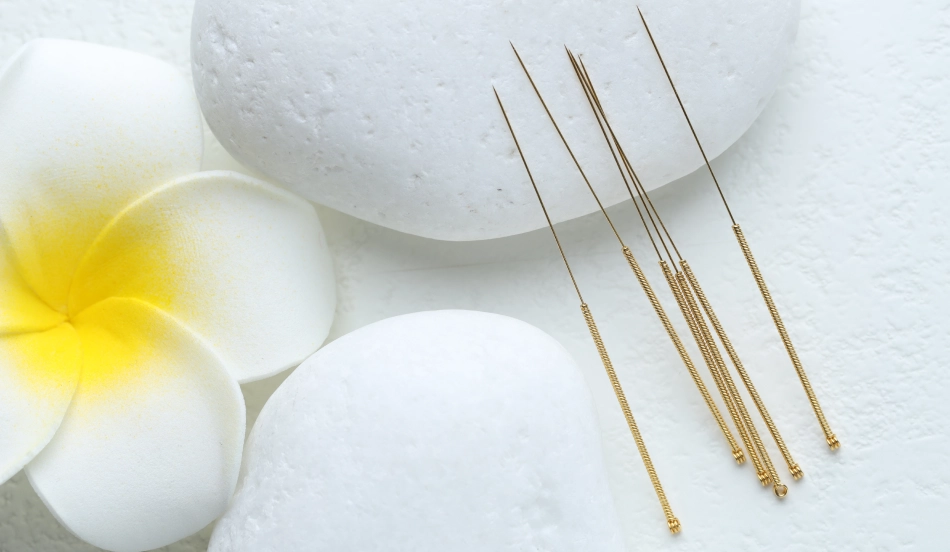
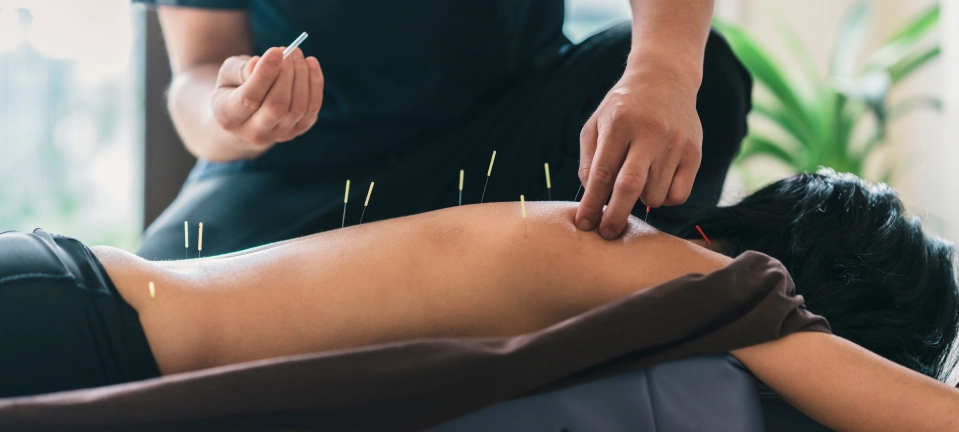
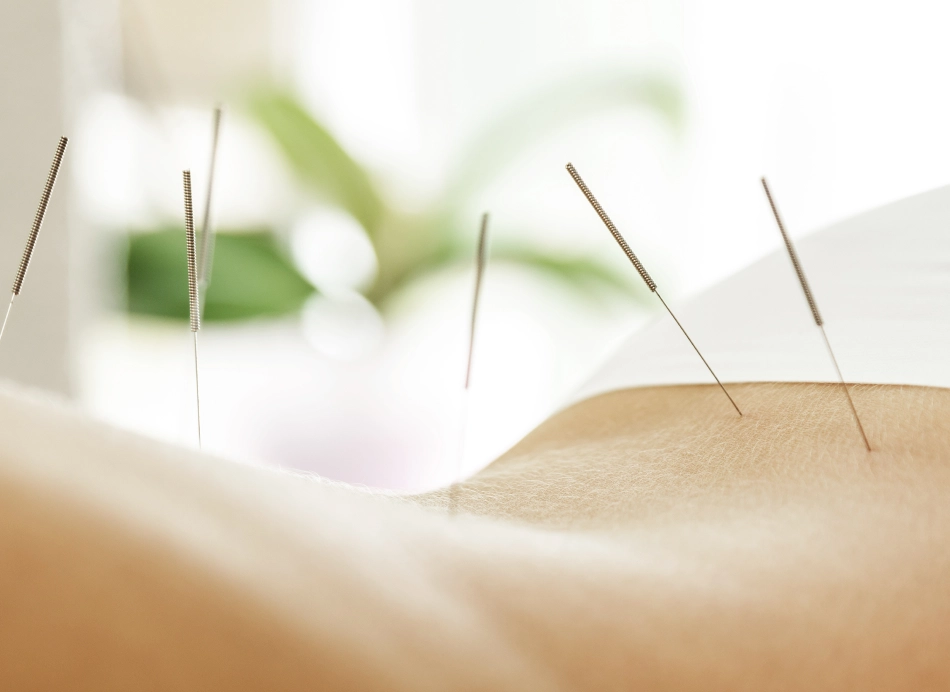
Acupuncture involves placing very fine needles at specific points on the body, then leaving them in place for a short rest period. Those points sit near nerves, muscles, and connective tissue, and the gentle stimulation prompts a set of responses: local blood flow increases, tight muscle bands begin to release, and the nervous system shifts how it processes pain signals.
For someone with chronic tension, this matters because pain is more than a signal from injured tissue. It is also a pattern the nervous system has learned to repeat, and calming that pattern is often what lets a shoulder or lower back finally settle.
The evidence for this has grown stronger. A large individual patient data meta-analysis of 20,827 patients across 39 trials, published in the Journal of Pain in 2018, found acupuncture more effective than both no treatment and sham needling for chronic musculoskeletal pain, osteoarthritis, and headache, with benefits that held up over time. It is fair to ask a licensed acupuncturist to explain what that research does and does not show for your particular case. Careful practitioners set honest expectations rather than promising a cure, which is a good sign you are in the right hands.
The Pain We Treat Most Often
Musculoskeletal complaints cover a wide map, and a few show up again and again. In a practice focused on acupuncture for pain management, back pain in NYC is the most common request, followed closely by neck and shoulder tension from desk work and phone use. Each of those has a different driver, so the plan should shift with the person in front of you.
Beyond the spine, treatment often helps with knee pain, hip and SI joint pain, and the sciatica or nerve pain that travels down a limb. A fresh training injury needs a different approach than years of chronic pain, which is why a careful intake matters more than a fixed protocol.
What a Treatment Looks Like at Three Treasures
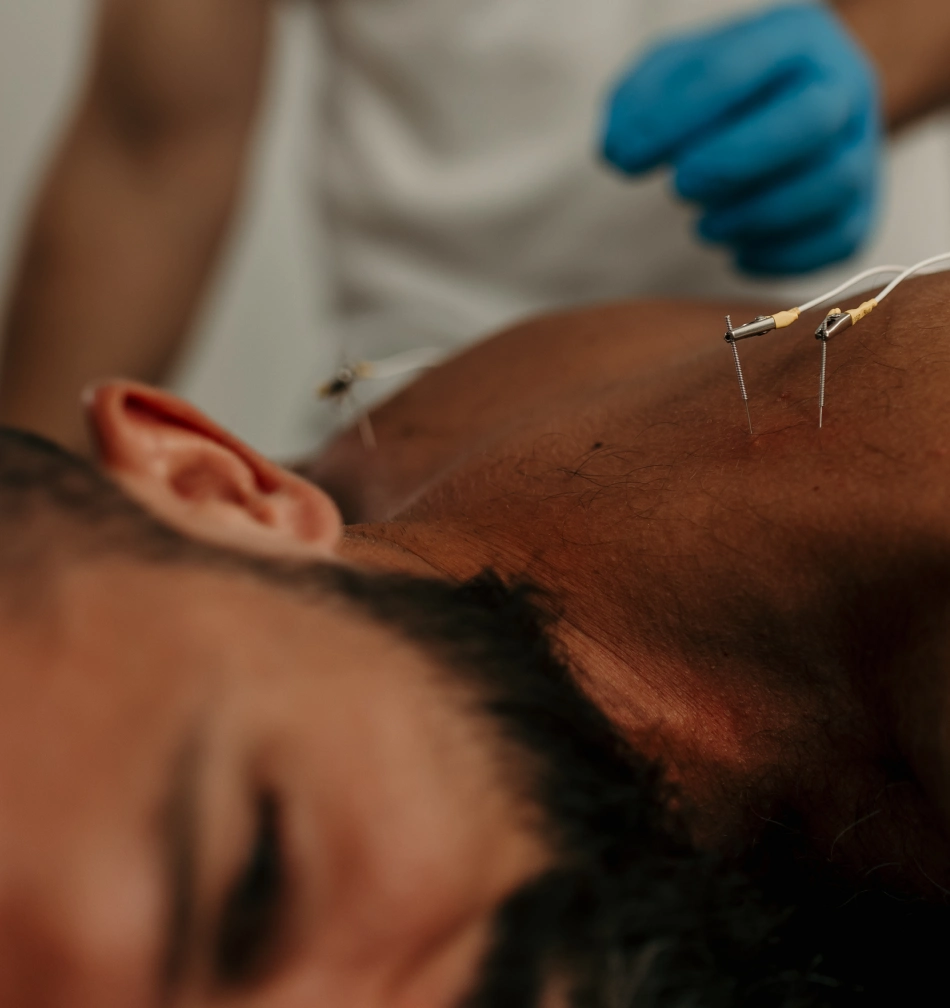
Care here is unhurried and personal. Every visit is a private, one-on-one session, so you are never sharing a practitioner’s attention across a row of curtained beds. Treatment begins with a real conversation about your history, your movement, and what your day actually demands of your body.
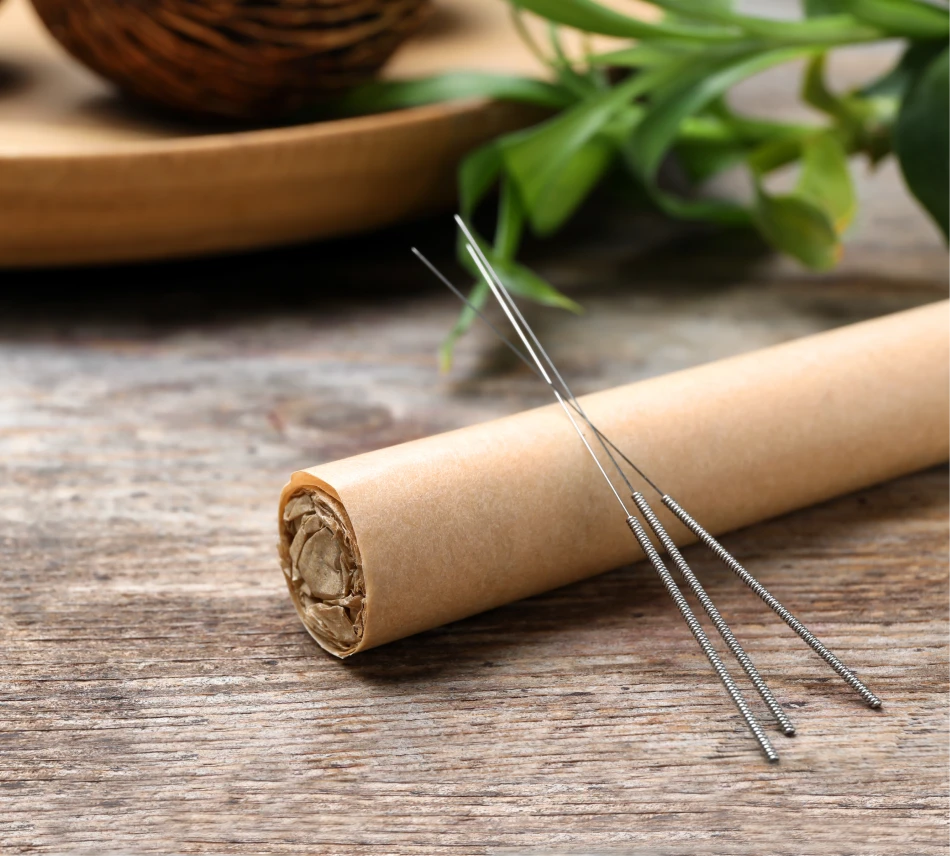
From there, a session may combine acupuncture with complementary techniques such as cupping, gua sha, and moxibustion to loosen tight tissue and improve circulation, with herbal therapy added when it supports the plan. The concierge approach is built around the pattern behind your pain, so relief tends to hold between visits instead of fading by the next morning. When a case calls for physical therapy, orthopedic input, or imaging, the practice coordinates with a trusted network of providers so you are supported from more than one angle.
You can book at the downtown Manhattan clinic during the week or the Woodstock-area location on Fridays and Saturdays. The aim across both is a lasting therapeutic relationship, so your plan can flex as your body changes rather than expiring with a prepaid package.
How Many Sessions Will You Need?
There is no single answer, and anyone who promises one before an exam is guessing. As a reference point, when Medicare began covering acupuncture for chronic low back pain in 2020, it approved up to 12 visits over 90 days, with 8 more if the patient keeps improving. A typical starting course maps out in a similar shape:
- Weeks 1 to 3: one or two sessions a week to interrupt the pain pattern.
- Weeks 4 to 6: taper toward weekly as symptoms ease.
- Maintenance: occasional visits to hold your progress and catch flare-ups early.
For pain management, your course is set after a hands-on exam, since longstanding pain usually needs more visits than a recent strain. Matching your expectations to that timeline is part of the work, and it keeps you from quitting right before the results arrive.
The Payoff of Treating the Whole Pattern
Chronic musculoskeletal pain wears down more than the sore spot. It shortens your sleep, tightens your mood, and shrinks the things you are willing to do. Addressing the underlying pattern is what gives people their range of motion and their evenings back, which is what Three Treasures Acupuncture offers: slower, one-on-one care where the plan follows your body. If your pain has outlasted the usual rest-and-stretch advice, a focused course of acupuncture is a reasonable, low-risk step before more invasive options.
Book Your Appointment
Not sure whether acupuncture fits your situation? That is exactly what the free phone consultation is for. Call Three Treasures Acupuncture at (646) 825-1508 to talk through your pain, your history, and your goals with a licensed acupuncturist, with no pressure to book. Book your appointment today and take the first step toward moving through NYC without the ache following you around.
Frequently Asked Questions
Fine needles at specific points prompt the body to increase local blood flow, release tight muscle tissue, and change how the nervous system processes pain signals. For chronic pain, that last part matters most, since it helps quiet a pain pattern the body has learned to repeat.
It depends on how long you have had the pain and what is driving it. A recent strain may ease in a handful of visits, while longstanding back pain often needs a course of several weeks before you feel a durable change. Your acupuncturist should map this out after an exam.
Many people with sciatica and other nerve pain do find relief, because treatment can address both the irritated nerve and the surrounding muscle tension that makes it worse. Results vary by cause, so an accurate diagnosis comes first.
Most people feel little during treatment and relaxed afterward. Mild soreness or a small bruise at a needle site can happen and usually fades within a day.
It depends on your plan. Medicare has covered acupuncture for chronic low back pain since 2020, allowing up to 12 visits in 90 days and as many as 20 in a year for qualifying patients, while private coverage varies by policy and diagnosis. Check your benefits and ask the practice what to expect before your first visit.
The best fit is a licensed acupuncturist who takes time to diagnose the pattern behind your pain and adjusts the plan to you. One-on-one, unhurried care tends to serve complex or chronic pain better than a high-volume clinic.
NEW YORK CITY OFFICE (Monday-Thursday)
195 Chrystie Street, Suite 703 · New York, NY 10002
WEST HURLEY OFFICE (Friday-Saturday)
1310 Rt. 28 · West Hurley, NY 12491
The NYC office is conveniently located in a loft in the Nolita/LES district. The office is a short walk from many subway stations:
 to Second Avenue


 to Broadway/Lafayette
 to Bleeker or Spring Streets

 at Prince Street