
Since 2005
Understanding Interstitial Cystitis (Painful Bladder Syndrome): Symptoms, Causes, and Holistic Treatment Options
A Serene Oasis of Healing in the Heart of Downtown New York City
Saturday Clinic in the Woodstock Area
Suppose you have spent months chasing a bladder problem that never quite adds up; you know how isolating it feels. The burning and pressure act like a urinary tract infection, yet the cultures keep coming back clean. Interstitial cystitis, also called painful bladder syndrome, is often the missing name for that experience. This guide covers what the condition is, why it happens, how it gets diagnosed, and the natural and conventional treatment options that can help you feel more like yourself again.
What is Interstitial Cystitis
Interstitial cystitis (IC), or painful bladder syndrome, is a chronic condition marked by bladder pain, pressure, and a frequent or urgent need to urinate that lasts six weeks or more without an infection causing it. The bladder wall becomes irritated and hypersensitive, so it signals “full” long before it actually is. Symptoms tend to come in flares, easing for stretches and then flaring again.
That last detail matters. Because IC waxes and wanes, many people assume they are getting a string of infections when the real issue is an oversensitive, inflamed bladder sounding a false alarm. Recognizing this pattern is often the first step in understanding whether your symptoms may be related to bladder disorders rather than repeated infections that never fully resolve. An accurate diagnosis helps guide treatment, prevents unnecessary courses of antibiotics, and makes it easier to choose an approach that addresses the underlying cause instead of recurring symptoms. IC is also more common than many people realize.
Symptoms: What Interstitial Cystitis Feels Like
Interstitial cystitis symptoms differ from person to person, but a few show up again and again.
The hallmark is pelvic or bladder pain that eases briefly right after you empty your bladder, then builds again as it fills. Alongside that, most people notice urinary urgency and frequency, sometimes visiting the bathroom well over the typical seven or eight times a day and waking several times at night. Pain during or after sex is common too, and many notice their symptoms shift with their menstrual cycle.
What does interstitial cystitis feel like day to day? For some, it is a low, constant ache with pressure behind the pubic bone; for others, it is sharp pain during a flare set off by a cup of coffee or a long car ride. Many also describe a constant awareness of their bladder that makes leaving the house or sitting through a meeting stressful, even on lower-pain days.
What Causes Interstitial Cystitis?
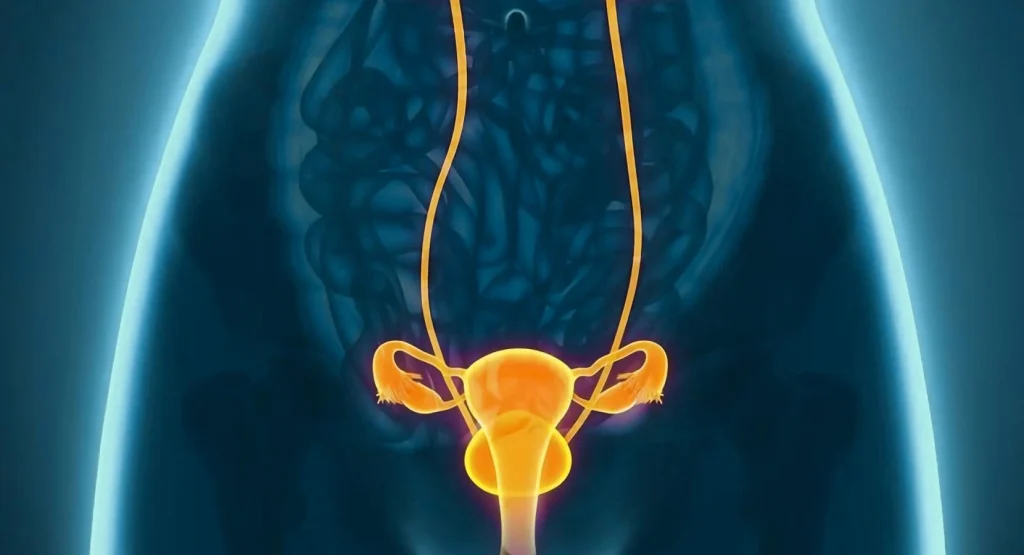
Here is the honest answer: researchers have not pinned down a single cause of interstitial cystitis. Instead, they have found a set of overlapping factors that drive it.
The leading theory involves a defect in the bladder’s protective lining, the GAG layer. When that lining thins or breaks down, irritating substances in urine can seep into the bladder wall and inflame the tissue underneath. Researchers point to other contributors too: an overactive nervous system that amplifies pain signals, chronic low-grade inflammation, pelvic floor muscle dysfunction, and in some cases Hunner lesions, distinct patches of inflammation on the bladder wall.
Triggers are a separate piece of the puzzle. A trigger does not cause the disease, but it can set off a flare in a bladder that is already sensitive. Common ones include certain foods and drinks, stress, hormonal shifts, and holding urine too long. Because IC so often overlaps with related conditions like endometriosis, irritable bowel syndrome, and chronic pelvic pain, treating it well usually means looking at the whole pelvis and nervous system, not the bladder alone.
How Interstitial Cystitis Is Diagnosed
There is no single test that confirms interstitial cystitis. It is what clinicians call a diagnosis of exclusion: your provider rules out other explanations first, usually with a urinalysis and urine culture, a review of your symptom history, and often a bladder diary.
This is where the interstitial cystitis versus UTI question gets settled. A true urinary tract infection grows bacteria on a culture and clears with antibiotics; with IC, the culture stays negative, and antibiotics do not help. In some cases, a urologist performs a cystoscopy to view the bladder wall directly. Catching the distinction early spares you months of the wrong treatment.
Conventional Treatment and Where It Leaves Gaps
Standard medical care for IC has real value, especially during severe flares. Oral medications, bladder instillations that deliver medicine directly into the bladder, pelvic floor physical therapy, and in some cases nerve stimulation all have their place, and a good urologist is an important part of the team.
The gap most people run into is that these tools tend to target symptoms one at a time. A medication may calm urgency for a while but do little for the pelvic tension that keeps the bladder irritated, so the relief fades once the prescription ends. That is the space where an integrative approach can add the most, working alongside conventional care rather than replacing it.
Holistic Treatment Options for Interstitial Cystitis
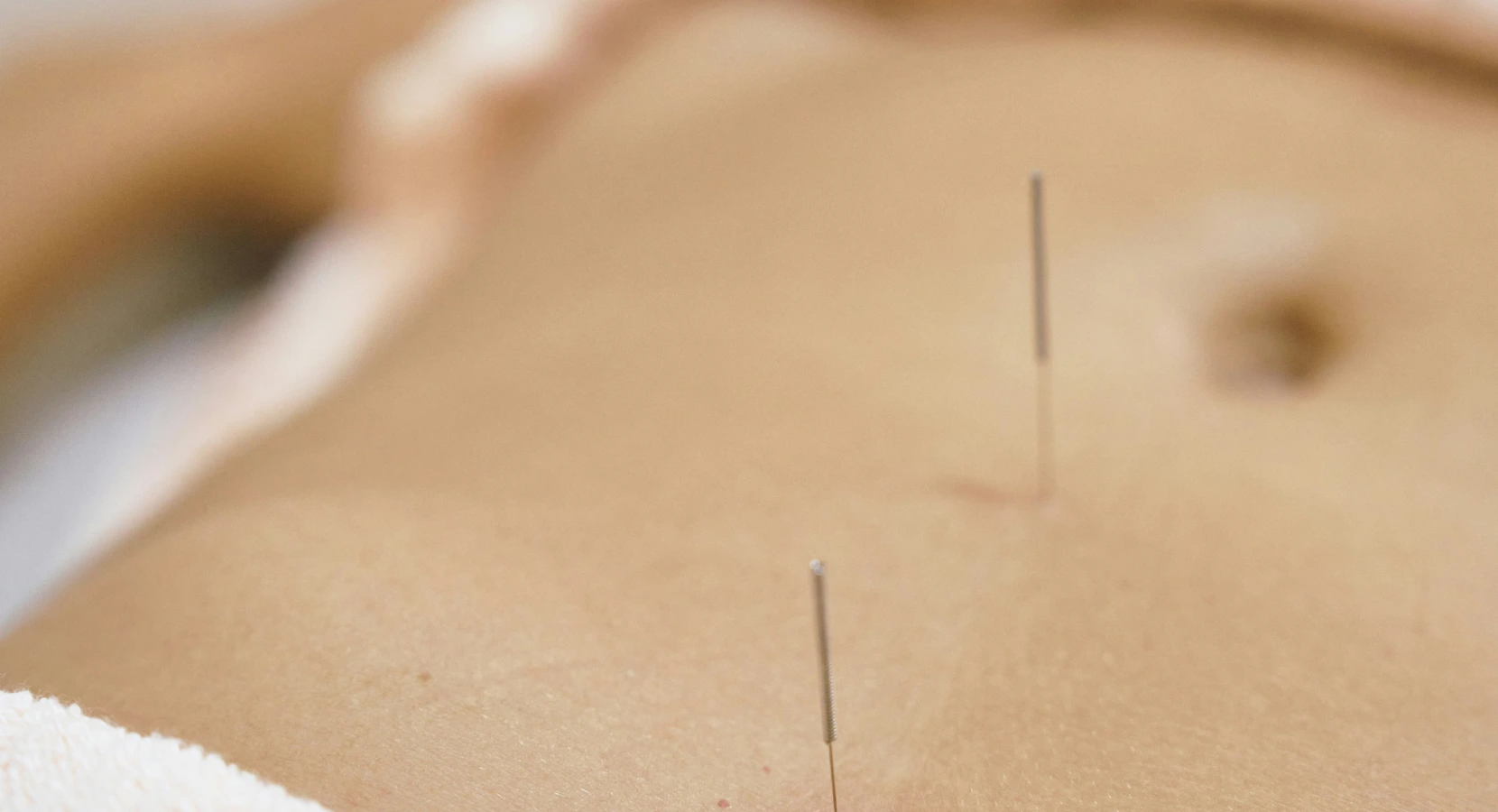
Natural treatment for interstitial cystitis is not about a single miracle remedy. It works by calming the systems that keep the bladder in a state of alarm, which is why it often helps where symptom-only approaches stall. At Three Treasures Acupuncture, this means an individualized plan built around your pattern of pain, urgency, triggers, and history rather than a fixed protocol.
How Acupuncture May Help the Bladder
Can acupuncture help interstitial cystitis? The research is still early and made up of small studies rather than large trials. In one randomized controlled trial of 21 women with bladder pain syndrome, electro-acupuncture produced greater improvement in how much pain interfered with daily life, and a measurable drop in pelvic floor muscle tenderness, compared with a minimal-acupuncture group. The mechanism makes sense once you see IC as a nervous system problem as much as a bladder one. Acupuncture appears to downregulate overactive pain signaling and support better circulation in the pelvic tissues, which together can reduce the frequency and intensity of flares.
In traditional Chinese medicine, IC symptoms are read as a pattern rather than a single label. Two people with the same diagnosis may receive different point prescriptions because one presents with heat and inflammation in the lower abdomen while another shows signs of depletion and tension.
Beyond Needles: PTNS, Herbs, and Supportive Therapies
Acupuncture is one tool among several. The right mix depends on how your body responds, and our approach to personalized care for bladder disorders can fold in other therapies as needed. One is Percutaneous Tibial Nerve Stimulation (PTNS), a gentle form of neuromodulation that uses a fine needle near the ankle to influence the nerves controlling bladder function, a route to calmer urgency without medication.
Chinese herbal medicine can address inflammation and the underlying pattern between visits. At the same time, moxibustion, cupping, and gua sha support circulation and help release the pelvic and abdominal tension that so often accompanies IC. Lifestyle and stress-regulation guidance ties it together, since a bladder that flares with stress responds to a calmer nervous system.
Diet and Lifestyle: Calming the Bladder from the Inside
For many people, diet is the fastest lever they can pull at home, and the best diet for interstitial cystitis is highly individual.
The common interstitial cystitis foods to avoid include coffee and other caffeine, alcohol, carbonated drinks, citrus and acidic fruits, tomatoes, spicy dishes, and artificial sweeteners. To find your own triggers, pull the usual suspects for a few weeks, track symptoms in a simple diary, then add foods back one at a time. You often learn that you tolerate more than you feared, just not all at once or during a flare.
Beyond food, small daily habits add up. Steady hydration keeps urine less concentrated and irritating, which surprises people who assumed drinking less would help. Gentle movement, paced breathing, and protected sleep lower the nervous system’s baseline sensitivity, so flares become less frequent over time.
What to Expect at Three Treasures Acupuncture
Care for a condition this personal should start by listening. Your first visit centers on your full history: your symptom pattern, triggers, what you have already tried, and how IC is affecting daily life. From there, we build an individualized plan around the factors that keep the bladder irritated, from pelvic floor dysfunction and nervous system regulation to hormonal changes, inflammation, and stress. That plan may combine acupuncture, PTNS, herbal medicine, and supportive therapies, adjusting as your body responds, with the goal of steady gains in bladder function and quality of life rather than a quick patch that fades.
Interstitial cystitis is a real, physical condition, and living with it can be exhausting when every test comes back “normal.” The encouraging news is that a bladder stuck in a state of alarm can often be coaxed back toward calm when you address the nervous system, inflammation, muscle tension, and triggers together. This whole-person approach is what Three Treasures Acupuncture brings to bladder care, treating conventional and natural options as partners rather than rivals. Used together, they give you more ways to reduce pain, stretch out the quiet periods, and reclaim the parts of life the bladder has been dictating.

Book Your Appointment
Interstitial cystitis has a way of running your schedule, from broken sleep to plans you cancel when a flare hits. Real relief is possible when treatment calms the nervous system, inflammation, and pelvic tension behind the pain instead of chasing one symptom at a time.
Three Treasures Acupuncture builds individualized plans for interstitial cystitis and other bladder and pelvic conditions.
Frequently Asked Questions
Not exactly. Interstitial cystitis has not been confirmed as an autoimmune disease, though researchers have found indirect evidence of possible autoimmune involvement. It frequently occurs alongside conditions like Sjögren’s syndrome, fibromyalgia, endometriosis, and irritable bowel syndrome, which is one reason care often looks beyond the bladder. The practical takeaway is that inflammation and immune activity are often part of the picture, so calming inflammation is a treatment target.
Bacteria cause a urinary tract infection, so it shows up on a urine culture and usually clears with antibiotics. Interstitial cystitis can bring similar burning and urgency, but cultures come back negative, and antibiotics do not help. If you keep getting treated for UTIs that never fully resolve, it is worth asking your provider about IC.
Research is still limited to small studies. A randomized trial of 21 women found electro-acupuncture improved pain interference and pelvic floor tenderness more than a minimal-acupuncture comparison. However, results vary from person to person, and larger trials are still needed. It tends to work best as part of a broader plan that also addresses diet, stress, and pelvic floor health. At Three Treasures Acupuncture, treatment plans are individualized to each person’s symptoms, helping address the factors that contribute to ongoing bladder irritation rather than relying on a one-size-fits-all approach.
There is no single best natural treatment, because IC has several drivers. The most effective approach usually combines an individualized diet, stress and nervous system regulation, and treatments like acupuncture or PTNS that target the bladder and pelvic nerves.
Common bladder irritants include caffeine, alcohol, carbonated drinks, citrus and acidic fruits, tomatoes, spicy foods, and artificial sweeteners. Since not everyone reacts to all of them, an elimination-and-reintroduction method with a symptom diary is the best way to find your personal triggers without restricting your diet more than you need to.
Related Posts

NEW YORK CITY OFFICE (Monday-Thursday) 195 Chrystie Street, Suite 703 · New York, NY 10002
WEST HURLEY OFFICE (Friday-Saturday) 1310 Rt. 28 · West Hurley, NY 12491
The NYC office is conveniently located in a loft in the Nolita/LES district. The office is a short walk from many subway stations:
 to Second Avenue


 to Broadway/Lafayette
 to Bleeker or Spring Streets

 at Prince Street