
Since 2005
Why Do I Always Feel Like I Have to Pee? Common Causes of Frequent Urination in Women
A Serene Oasis of Healing in the Heart of Downtown New York City
Saturday Clinic in the Woodstock Area
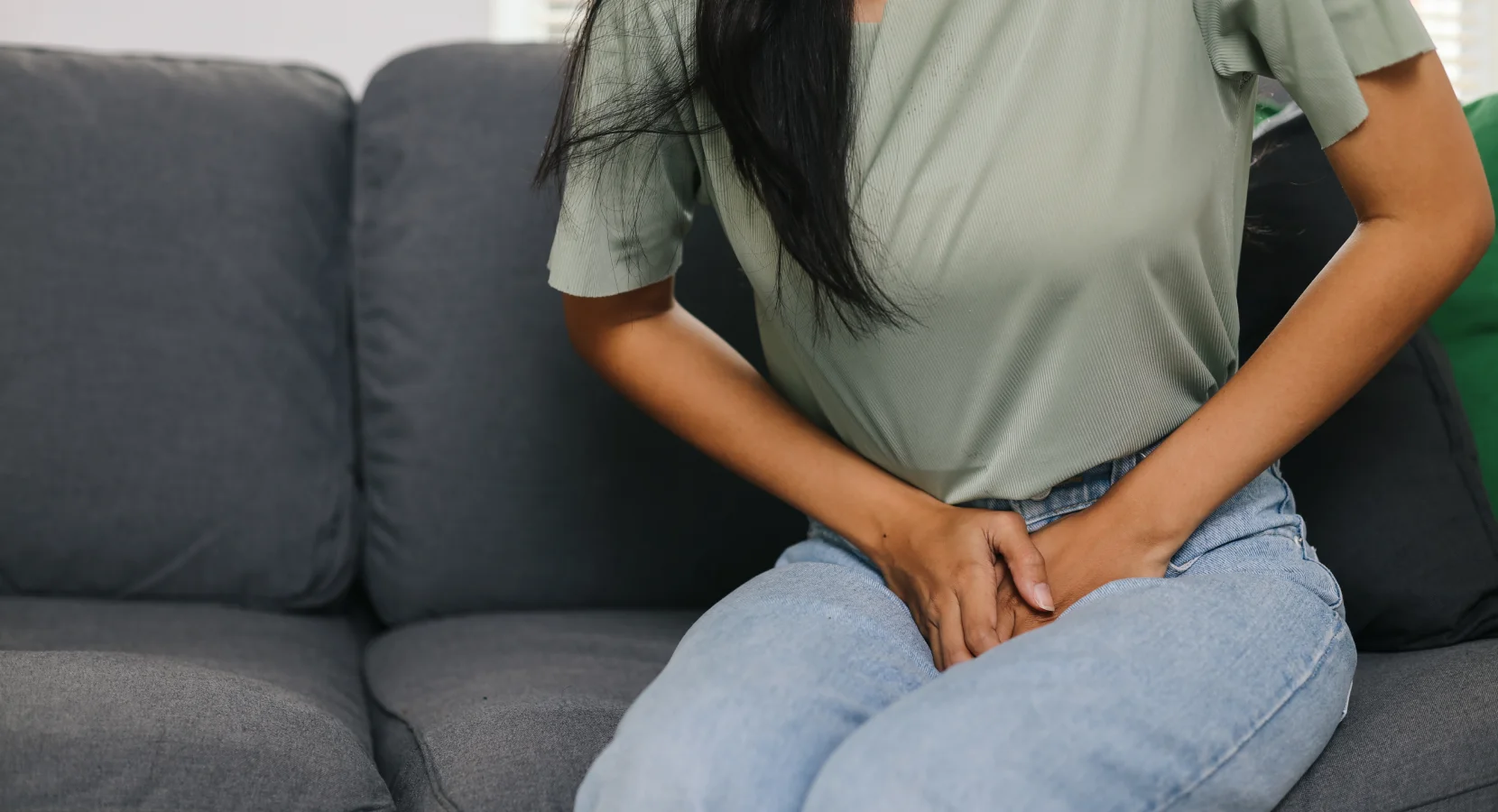
That nagging pressure that sends you back to the bathroom twenty minutes after you last went. The quiet mental map of every restroom before a long drive. The 3 a.m. wake-up that splits your sleep in half. If any of that sounds familiar, you are in good company, and there is almost always a reason behind it.
This article walks through what “normal” bladder frequency actually looks like, the causes that show up most often in women, the warning signs worth a call to your provider, and how an integrative approach can calm an urgent bladder instead of just masking it.
How Often Is Too Often?
Most women urinate between four and eight times in 24 hours, plus once or not at all overnight. Going more than eight times a day, waking twice or more to pee, or feeling a strong urge that produces only a trickle can all signal that something is off. Frequency on its own does not tell you the cause. It tells you to look closer.
A few everyday things shift that baseline without meaning anything is wrong. A large coffee, a cold afternoon, a water-heavy meal of soup and fruit, or a new medication like a diuretic will each send you to the bathroom more often. What matters is a change from your own normal that sticks around, especially when it arrives with urgency, discomfort, or leaks.
Why Do I Always Feel Like I Have to Pee? The Causes That Show Up Most in Women
The feeling of needing to go is a conversation between your bladder, your pelvic floor, your nerves, and your hormones. When one part of that system gets irritated or dysregulated, the “I have to pee” signal can fire early, fire often, or fire out of all proportion to how full you actually are. These are the causes we see most.
Urinary Tract Infections
A UTI is the reason many women think of first, and for good reason. Bacteria irritate the bladder lining, which sets off urgency, burning, and constant trips that produce almost nothing. Around half of all women will have at least one UTI in their lifetime, so that instinct is well founded. When burning or pain rides along with the urge, get tested before you assume anything else, because an untreated infection can climb toward the kidneys.
Overactive Bladder (OAB)
Overactive bladder is a pattern where the bladder muscle squeezes when it should be resting, creating a sudden urge that is hard to ignore. You might leak on the way to the toilet or feel the pull when your bladder holds only a small amount. OAB is common in women and responds well to a mix of bladder retraining, pelvic floor work, and nerve-focused therapies.
Pelvic Floor Dysfunction
Your pelvic floor is a sling of muscles that supports the bladder and helps control the flow of urine. When those muscles are too tight, too weak, or poorly coordinated, they can send false urgency signals or fail to relax fully when you try to empty. Childbirth, years of chronic straining, and the habit of “just in case” bathroom trips all feed this pattern.
Hormonal Changes
Estrogen keeps the tissues of the bladder and urethra healthy and elastic. As levels fall through perimenopause and after menopause, that tissue thins and grows more sensitive, which pushes both frequency and urgency higher. Pregnancy creates a different kind of pressure as the growing uterus presses directly on the bladder.
Interstitial Cystitis and Bladder Pain
Interstitial cystitis, sometimes called painful bladder syndrome, brings frequency together with pressure or pain that eases for a moment right after you pee. It gets missed for years because the urine cultures keep coming back clean. If your frequency travels with pelvic pain and no infection ever turns up, this one is worth exploring with someone who treats it.
Blood Sugar, Diet, and Daily Habits
High blood sugar pulls extra fluid into the urine, which is why sudden thirst paired with frequent urination can be an early sign of diabetes worth checking. On the everyday end, caffeine, alcohol, fizzy drinks, artificial sweeteners, and acidic foods irritate the bladder for a lot of women. Stress belongs on this list too, since a keyed-up nervous system keeps the bladder on high alert.
Why Do I Feel Like I Have to Pee Every 5 Minutes?
When the urge returns within minutes of emptying, one of two things is usually happening. Either the bladder is not fully draining, so it reaches its “full” sensation again quickly, or the nerves and muscles are misreading a nearly empty bladder as urgent.
Rushing, hovering over the seat, and pushing to finish faster all make it worse by keeping the pelvic floor clenched. Try this next time: sit down fully, let your shoulders drop, and give yourself a few extra seconds after the stream stops. If a second, smaller release follows, incomplete emptying may be driving the every-few-minutes cycle.
When It Is Not a UTI
Plenty of women get a clean urine test and still feel that constant pull. A negative result rules out infection, and the search moves elsewhere: overactive bladder, pelvic floor tension, hormonal thinning, interstitial cystitis, or other bladder disorders that can affect urinary frequency and urgency. Understanding the underlying cause is an important step toward finding an approach that addresses the symptoms rather than just managing repeated flare-ups.
Waking Up to Pee at Night
Getting up once is normal for many adults. Twice or more is a pattern called nocturia, and it quietly wears down your sleep. It often points to something specific, such as fluid pooling in your legs during the day and shifting once you lie flat, evening caffeine, certain blood pressure medications, or an overactive bladder that never clocks out at bedtime. Moving your last large drink earlier and propping your legs up for a while in the evening can help you tell a habit apart from a health issue.
When to See a Professional
Frequency by itself is rarely an emergency, though a handful of signs deserve a prompt call. Reach out to a provider if you notice:
- Blood in your urine
- Fever, chills, or back and side pain along with the urge, which can point to the kidneys
- Burning or pain that lasts more than a day
- Leaking that disrupts your work, sleep, or exercise
- A sudden change with no clear explanation
Persistent frequency that shrugs off the usual fixes also earns a professional look, both to rule out anything serious and to build a plan that actually fits your body.
How Chinese Medicine Approaches an Urgent Bladder
Conventional care often reaches for a single diagnosis or a prescription. Chinese medicine reads the bladder as one part of a larger system that includes the nervous system, hormones, circulation, and stress. The team at Three Treasures Acupuncture starts by mapping the specific factors behind your symptoms, whether that is pelvic floor tension, broken sleep, hormonal change, or inflammation. From there, the plan is built around your body rather than a generic protocol.
One tool worth knowing is Percutaneous Tibial Nerve Stimulation, or PTNS, which gently stimulates a nerve near the ankle that shares a pathway with the nerves controlling the bladder. Paired with acupuncture, herbal medicine, moxibustion, and lifestyle guidance, this kind of integrative care for bladder disorders aims to retrain the urgency signal at its source. The point is steadier bladder function and deeper sleep, so you are no longer managing flare-ups month after month.
Best Natural Remedies for Frequent Urination in Women
No single habit resets an urgent bladder overnight, though a few changes help most women and cost nothing to try. Some of the best natural remedies for frequent urination in women focus on calming the bladder and retraining its timing:
- Bladder training. When the urge hits, pause, breathe, and wait a few minutes before you go, slowly stretching the gap between trips.
- Ease off the known irritants. Coffee, alcohol, citrus, tomato, and carbonated or artificially sweetened drinks top the list.
- Keep drinking water. Cutting fluids concentrates your urine and irritates the bladder even more, which backfires.
- Work with the pelvic floor. Gentle relaxation matters as much as strength here, since a tight floor needs to release, not just squeeze.
- Shift fluids earlier. Front-load water during the day and taper in the evening to protect your sleep.
Give any change a few weeks before you judge it. Bladders retrain slowly, and steady effort does far more than a burst of intensity.
Constant urgency is common, and it is also treatable. The feeling has causes you can name, and most of them ease with the right blend of habit change, pelvic support, and care aimed at the whole system instead of one symptom. At Three Treasures Acupuncture, that whole-system approach is the starting point for every bladder plan, so your symptoms are treated in context rather than one at a time. Your bladder is telling you something real. It is worth listening, and worth getting help to answer.

Book Your Appointment
Always feeling like you have to pee can wear on your sleep, your focus, and your comfort throughout the day. The encouraging part is that frequent urination usually responds well to the right care, especially when that care looks at your whole body instead of one symptom at a time.
Three Treasures Acupuncture offers individualized support for bladder and pelvic health.
Frequently Asked Questions
For most women, four to eight times in 24 hours is typical, with no more than one trip overnight. Regularly going beyond that, or feeling urgency with little output, is worth a closer look.
Call a provider if you see blood in your urine, run a fever with back or side pain, have burning that lasts more than a day, or leak in a way that disrupts daily life. Frequency that persists despite the usual changes also deserves evaluation.
This usually means the bladder is not emptying fully or the nerves are misreading a near-empty bladder as urgent. Sitting fully relaxed and pausing a few seconds after the stream stops can help you empty more completely.
Yes. A clean urine test rules out infection, but overactive bladder, pelvic floor tension, low estrogen, interstitial cystitis, and bladder-irritating foods can all drive frequency on their own.
Waking twice or more to urinate, known as nocturia, can stem from fluid shifting out of your legs when you lie down, evening caffeine, certain medications, or an overactive bladder. Adjusting when you drink and elevating your legs in the evening often helps.
Many women use acupuncture and related therapies such as PTNS to calm urgency and improve bladder control. At Three Treasures Acupuncture, treatment is personalized based on your symptoms and health history. In the SUmiT randomized trial, about 55% of people who received PTNS reported moderate or marked improvement in their overactive bladder symptoms after 12 weeks, compared with 21% who received a sham treatment.
Related Posts


NEW YORK CITY OFFICE (Monday-Thursday) 195 Chrystie Street, Suite 703 · New York, NY 10002
WEST HURLEY OFFICE (Friday-Saturday) 1310 Rt. 28 · West Hurley, NY 12491
The NYC office is conveniently located in a loft in the Nolita/LES district. The office is a short walk from many subway stations:
 to Second Avenue


 to Broadway/Lafayette
 to Bleeker or Spring Streets

 at Prince Street